

Farming Under the Canopy
Cultivating high-value crops within established forest systems to build ecological and economic resilience.
Agriculture in Harmony with the Forest
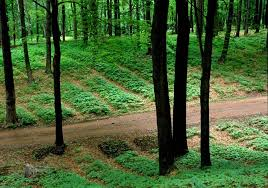
Forest farming is the intentional cultivation of crops beneath the canopy of an established forest. Rather than clearing land, forest farmers work with the natural ecosystem, using shade, moisture, and forest soil biology to grow high-value specialty crops.
This approach supports biodiversity, protects soil and water resources, sequesters carbon, and creates economic opportunity without deforestation. It's one of the most sustainable forms of agriculture on the planet.
At Generations Forward, we've established diverse forest farming plantings that serve as both productive operations and living classrooms for visitors, students, and fellow growers.
What We Grow
Each crop is chosen for its ecological fit, market value, and educational potential.
Ginseng
A prized medicinal root cultivated under natural forest shade, requiring patience and deep ecological knowledge.
Wasabi
One of the most challenging and valuable crops in forest farming, thriving in cool, shaded streamside environments.
Mushrooms
Log-grown and forest-cultivated varieties including shiitake, oyster, and lion's mane, all rich in nutrition and market value.
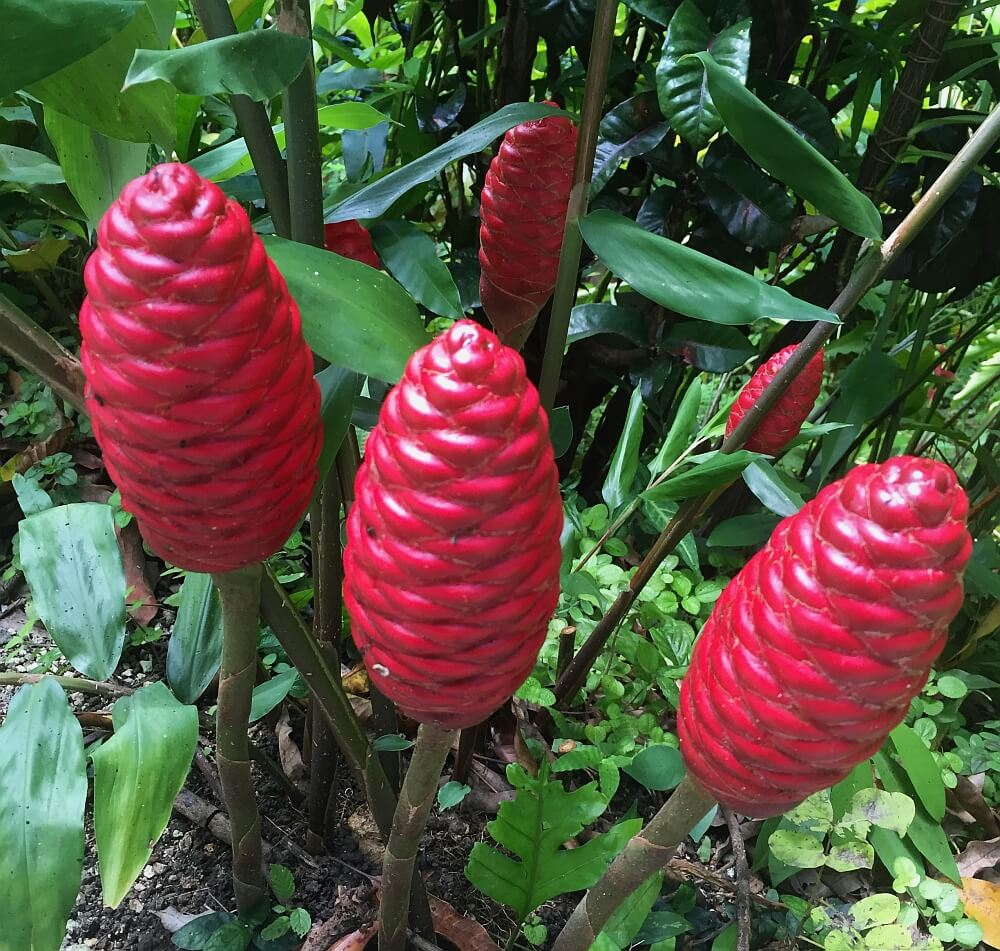
Shampoo Ginger
A tropical understory plant valued for its aromatic properties and growing interest in natural personal care products.
Japanese Wild Parsley
A culinary treasure used in Japanese cuisine, naturally suited to the dappled light of forest environments.
Scotch Bonnet Peppers
Vibrant, heat-rich peppers grown in forest-edge microclimates, bridging traditional Caribbean agriculture with Southern growing.
Why Forest Farming Matters
Forest farming protects natural resources while creating economic opportunity. It is a model for sustainable land use.
Carbon Sequestration
Forests absorb CO₂ while producing food
Biodiversity
Supports native wildlife and plant species
Soil Health
Protects and builds living soils over time
Water Protection
Forest roots filter and conserve water resources
Want to See Forest Farming in Action?
Visit our forest farming plots, attend a workshop, or connect with us to learn how this model can work for your land.

